

Inflation can be a scary prospect for many people, as it can erode the value of their hard-earned money over time. However, there are steps you can take to manage your money in preparation for inflation. In this blog post, we’ll discuss some practical tips to help you prepare for inflation and protect your financial […]

10 Tips For Making Great Financial Habits in 2020 In order to reach the financial goals each of us set in life, it’s important to adopt supportive financial behaviors when dealing with money. The market’s best budget tracking tools can offer a great deal of help to consumers that have difficulties managing household finances. Fortunately, […]

Budget Tracker: 3 Tips to Save and Grow your Money For most people, one of the most difficult things about saving money is figuring out how to get the process started. Not only do you need to focus on managing and saving your funds, but you also need to decide on the best ways to […]
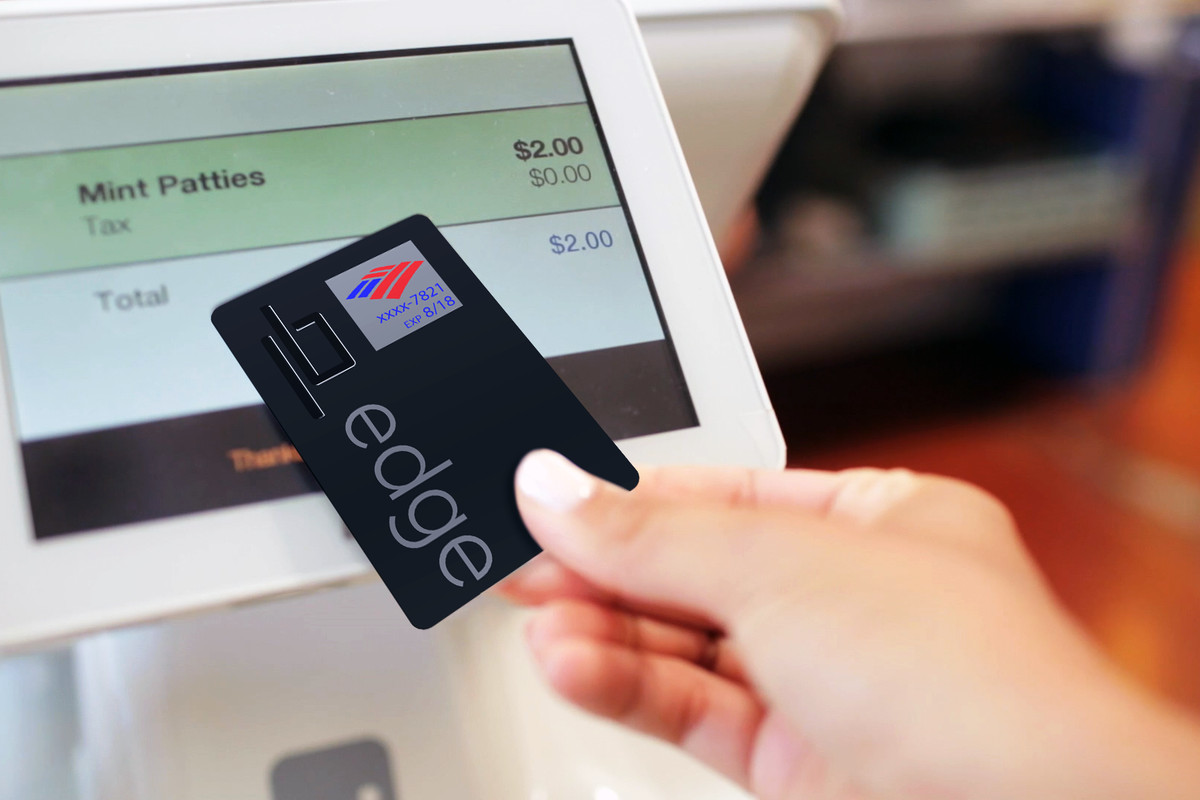
Going Cashless: The Future of Credit Cards The world of finance is ready to cross another interesting milestone, as the year 2020 will mark the 70th anniversary of the emergence of the first-ever universal credit card in world history. Over the last seven decades, the credit card industry has become ubiquitous. Not only that, it plays […]

3 Tips to Control Impulse Spending Overspending has always been a big problem for consumers around the world. In some cases, the practice of spending too much money can happen intentionally, (i.e. during the holidays or when we splurge on a specific item). However, spending money when we can’t quite afford it can become a […]

While the main reason to create a budget is to save, budgeting is also great to define your income and expenses. By attaining a realistic idea of how much you can save each month, you’ll be able to reach your long term goals sustainably – such as saving up for that deposit on a house […]
In Canada, the average cost of raising a child to the age of 18 is $243,660. To make that number a little easier to get your head around, that’s $1,070 a month per child. Of course, you need to factor in that most new mothers spend the first year of their child’s life – if […]
When it comes to saving money, some of the typical methods that might cross your mind include using coupons, reducing the heat or air conditioning in your house, or steering clear of excessive personal spending. While all of those are great strategies, have you ever thought about the things in your life you can actually […]

Bitcoin Debit Cards: How Do They Work? Bitcoin and cryptocurrencies have taken the world by storm —and they have changed the way many of us conduct financial transactions. One of the latest developments is the Bitcoin debit card, which has some key differences when compared to the traditional plastic issued by your bank. The […]

Budget Tracker Tips: Using Credit Cards and Rewards Wisely As technology continues to dominate the world of digital finance, we can officially say that the days of relying only on cash or checks are over. These days, there is a number of reasons why paying with credit cards or an online wallet is far better. […]

Managing your credit card correctly can help you save cash, and even elevate your financial status. One of the most important entities that can help you to accomplish these tasks is you credit card issuer. If you experience any problems in managing your credit card account, you should never hesitate to ask questions and to […]

U.S. Lending Crisis: Has Student Debt Threatened American Dreams of Home Ownership? For many recent graduates, the American Dream of home ownership has become a distant concept which may be unattainable in practical terms. Rising tuition costs in the United States have fueled a trillion-dollar crisis in student debt that is preventing more and more […]

Budget Tracker: 5 Tips To Prevent Fraud This Holiday Shopping Season For expert budget trackers, the holiday shopping season is a time of generosity and celebration with our families. This is because our efficient spending practices can make it easier to save money and focus on the things which matter most. However, there are those […]

Shopping Online: How to Capture Great Discounts The holiday season is rolling around once again, and shoppers are looking for ways to capture the best deals for their families. With the growing availability of numerous online stores, consumers now have a wide variety of choices to make their shopping selections — all without leaving the […]

Retirement Planning: Tips For Savings and Wealth Over Time “As in all successful ventures, the foundation of a good retirement is planning.” – Earl Nightingale The process of retirement planning can be a complicated experience, but it is a phase of our lives which everyone must face. This is why proper planning is needed when […]

Great Investing Apps For Building Wealth The world of digital finance is growing rapidly, and it is up to households and consumers to identify the best ways of using this new technology to build wealth over time. The first step in using the world of digital technology to help monitor and grow assets is through […]

Personal Finance in Practice: Costs and Benefits Incentives In personal finance, the theories of cost and benefit analysis help to inform the foundations of proper budget planning. These concepts might seem difficult to grasp and understand on the face of it. But the reality is that most of us already have a strong intuitive understanding […]
Personal Finance: Building Wealth Through Digital Budgeting These days, tech and finance seem to be more intermingled than at any other point in human history. Surging valuations in the biggest tech companies (like Apple, Amazon, and Facebook) show that the dominant trends in the market will continue to be tied to the world of technology. […]

Retirement Planning: Money Strategies For The Long-Term One of the most challenging tasks in life is the process of retirement planning. There are many factors and variables which can lead to disaster if family savings are not properly protected. This means a little time and research can go a long way in helping us to […]

5 Important Ways Tech Has Changed Personal Finance The world of tech is changing every day. But, most of the time, we take it for granted. Here are five important ways that tech have changed personal finance – and make our lives easier in the process. Online Banking Withdrawals, transfers, deposits. Whatever you need, your […]
Over the last decade, the world of technology has grown in fantastic and innovative ways. In years past, it may have been difficult to fathom the truly global reach of companies like Amazon, Facebook, and Google. Today, these are the types of outlets that have extended our social reach and the breadth of our accessible […]
Mutual funds offer a means to achieve broad diversification within a stock portfolio, for a relatively small amount of money. It should be understood that this is a level of diversification that most small investors would be unlikely to achieve on their own, and this is why many industry experts recommend that those with little […]
Life gets busy and it is easy to lose track of what your money is doing. This is compounded by a wallet full of plastic access cards and very few cash transactions. In the days when cash was king, people were conscious of how much money they were spending on groceries, gas and even the […]
Budgeting for an entire family can be a challenge. Aside from the regular bills like mortgage, utilities and groceries, families often scramble to come up with funds for school expenses, sports and birthday parties. Call a Family Meeting When it comes to discussing family expenditures and finances everyone needs to be involved. That includes the […]
Ever since the global financial crisis of 2008, it has become more important for households to protect savings and plan for the future. This means that we must manage our money in ways that are efficient and able to maximize the potential to accumulate savings over time. As with most things, the accumulation of wealth […]

The global financial crisis of 2008 has shown many American families that there is a true need to be prepared for unforeseen circumstances. Luckily, there are strategies families can use to create a buffer between your household and the world’s larger financial uncertainties. Here, we will look at some of the factors that should be […]
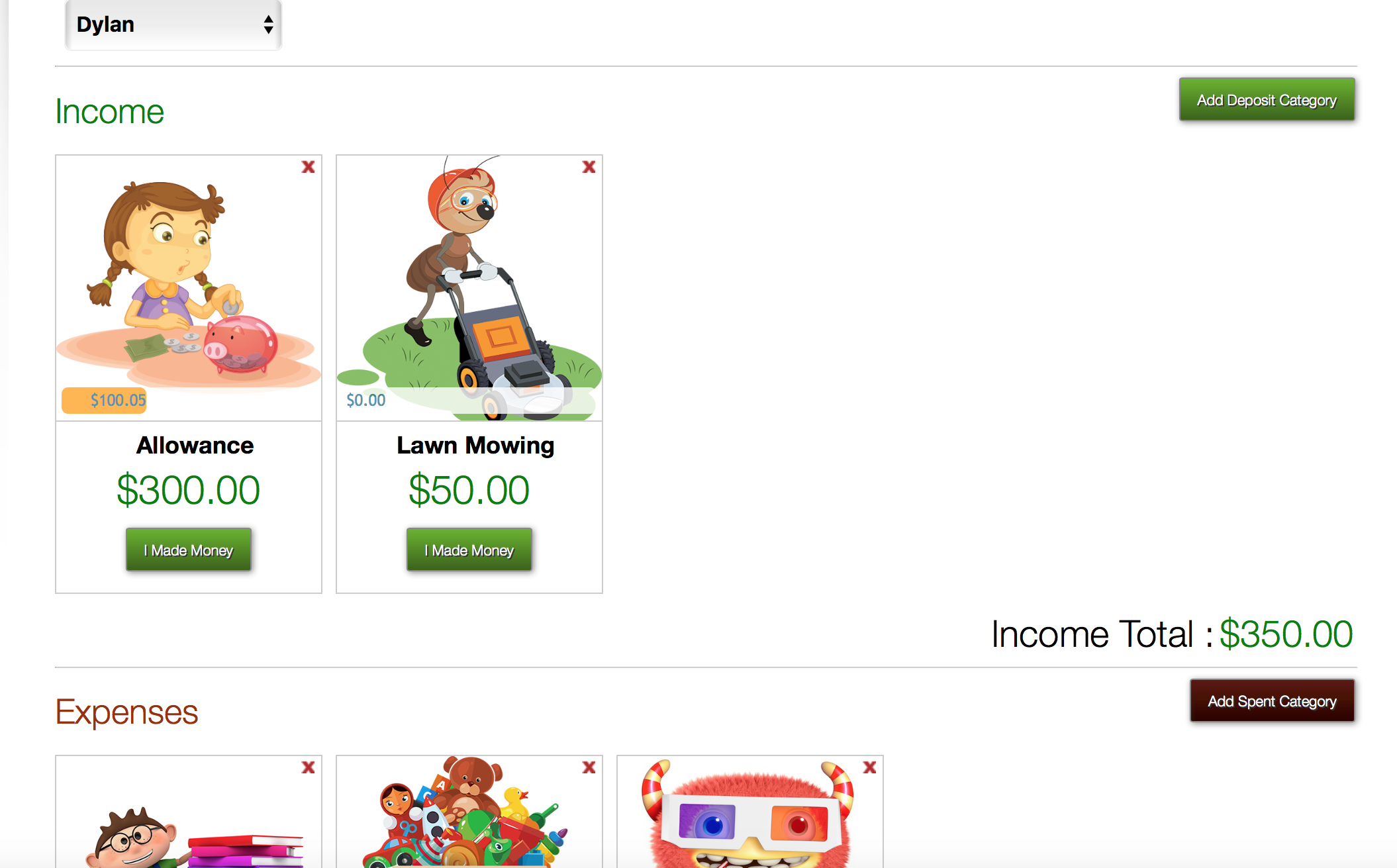
We’ve integrated a Kids Budgeting page to help parents teach kids about how to budget money. We will be continuing to update this page based on user feedback to make it as easy as possible for kids to understand. This is mainly a simplified version of our My Budget page with more visuals to make […]
One of the problems when importing your transactions is that the payee name can be unique for each transactions with a reference number. You can fix this on the import by applying a rule that will convert the payee name to something more common (for example: Starbucks 33323151 would convert to just Starbucks). However, if […]
This tip is to help you quickly categorize uncategorized transactions to prepare for your taxes. First go to the My Transactions page and click “Transaction Search” at the top of the page. From the right side of the page, select the categories and change it to “No Category” Change “This Month” to “All” Scan through […]
When you first click on the balance account link either on the My Accounts page or under the account transactions on the My Transactions page, you are presented with 3 options: Balance only cleared or reconciled transactions Balance all transactions including unreconciled Reconcile all unreconciled transactions. The first option is mainly for users who write […]

The housing market in the US continues to move ahead in its recovery and we are seeing more and more consumers looking to make real estate purchases. When you are looking to finance the American Dream, there are many options available to you. Purchasing a home gives a huge sense of accomplishment – however, not […]
Sure, there may be lots of reasons why we aren’t able to save as much as past generations. It could also be that we’ve been misinformed about what it takes to get ahead.
Here is a look at the 3 biggest lies you’ve likely been told about saving money and what you should be doing instead

Investing in the stock market can seem intimidating. The truth is you don’t have to be a stock analyst to successfully invest in the stock market. You just need to follow these 3 principles: define your investment goals, diversify and keep your emotions in check.
For many of us, January 1st marks a new beginning and a chance to improve ourselves. We make all sorts of resolutions including to lose weight, get in shape and become debt free. These resolutions typically follow a holiday season filled with overeating and overspending. If the holidays left your wallet a little light and […]
Most of us have been guilty at one point or another of signing up for a monthly service or subscription that we never use. The worst part is that many of us keep paying simply because we don’t want to deal with the hassle of canceling our account. Does that sound like you? What would […]

Does working in your pajamas sound like a dream come true? Are there life circumstances that require you to be home, and you’d like to earn some extra cash? Whatever your reason, telecommuting jobs are becoming more and more popular.
There’s a peculiar thing about grocery shopping: going once just never seems to cut it. Any way you slice it, you’ll have to go again. Maybe not this week, but definitely the next. It’s one of those household chores that never seems to go away. But if it can’t go away, maybe you can make […]
As fall moves in and the threat of colder weather is on the horizon, many of us fantasize of a vacation to escape the winter blues. We gaze at photos of sun-kissed tropical beaches or daydream of a leisurely stroll through a historic neighborhood…but we hesitate to take steps to make it happen. It’s time […]
It’s a simple but loaded statement: “Just let me check your credit.” Everybody wants a piece of you, from a potential employer to your cell phone company. It often feels like you’re what’s for dinner, and you’re being examined like a restaurant menu. But what if you’re not a main course, and you’re just hoping […]
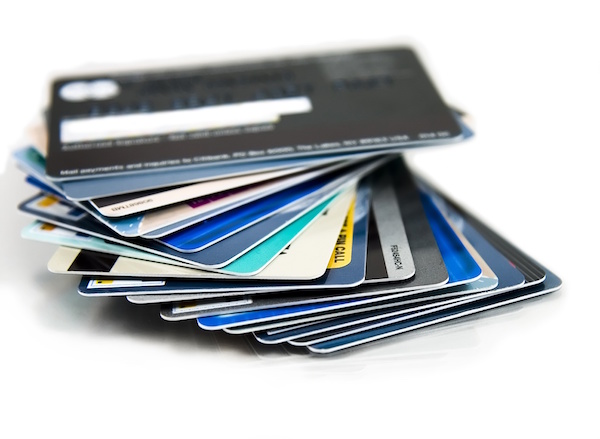
Have you ever been the kid in the candy shop faced with so many choices you don’t even know where to begin? Choosing the best credit card option for your budget can be like sorting through the candy store, but a whole lot less rewarding. When beginning to explore the credit card options, you’ll notice […]

Being in debt is like being stuck on a roller coaster that never ends. Just when you’ve made some progress in paying down your balances, life smacks you with some unexpected expense that sends you right back on the debt coaster.

When you’re deciding where your money goes each month, what’s the one thing you buy hoping you’ll never need to use it? Insurance. It may be the most unsexy item in your budget as well—it’s hard to get excited about spending your hard-earned cash on something that, if you’re lucky, you’ll never get any benefit […]

Merging money and love is tricky. It may come as no surprise that money is often listed as one of the top reasons couples divorce. So how exactly are you and your honey supposed to get on the same page financially? Start by avoiding these 3 common financial mistakes

Are you in the market for a new car and wondering if a lease might make sense for you? Perhaps you’ve seen the commercials to lease a high-end car and the monthly payment seems doable despite the high cost of the vehicle. So what makes this possible, and will you really save money by leasing […]

When children have wisely budgeted their spending to mirror the rankings of importance they placed on various wants, an accumulation of savings should emerge that represents an excess of earnings exceeding wishes that can be realistically fulfilled. This provides an opening to introduce the nuance of investing for the long term. Investing is presented as […]

Most everyone wishes they managed money better than they do. It might be fair to say a healthy percentage of the population never had formal training from their parents in exactly what to do with money beyond opening a checking account down at the local bank. How to save, how to invest, and how to […]

If you started early at instructing your children about the utility of money, the arrival of their teen years provides an opening for the nuance of budgeting. The widening diversity of spending options for teenagers easily promotes the development of excesses. Devising a budget is the only constructive solution for decoding future expenditures. Take […]

You’ve seen and heard all the ads. “Mortgage rates are at an all-time low!” “You’re paying too much for your mortgage!” “Refinance now and save hundreds of dollars every month!” And, those enticing statements may even be true. Mortgage rates are low: today’s rates average around 4%, while looking back over the last 20-30 years, interest […]

Electricity and water are two things one can’t live without. However, in recent years more and more individuals have noticed the upward tick of utility costs per household. Here are four ways to lower your utility bills this year. Tip #1: Turn off the Air Conditioning when no one is home. The constant run of cold […]
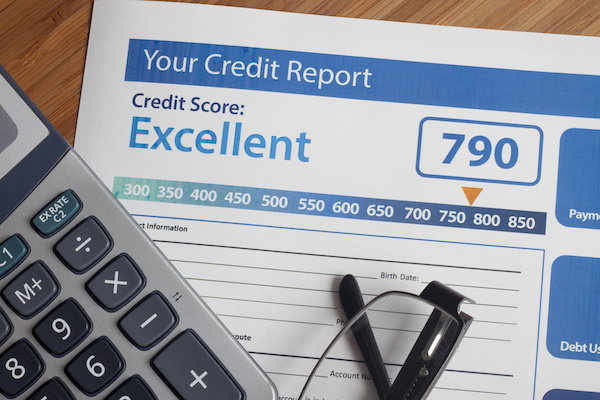
Credit scores are like report cards for adults, and a “failing” score can have a huge impact on your life. Everything from buying a house to applying for certain jobs can be affected by your credit. In addition, an excellent score can help you obtain the best interest rates and save thousands in interest payments. […]

Cruises, backpacking across Europe, or relaxing on a remote island in the Caribbean is what we all dream of during the summer. However, for most of us, saving for the ultimate trip rarely makes it into the budget until the last minute. Here’s how to afford an amazing vacation before fall begins. Pay for Living […]

When we talk about saving for an emergency fund we talk about losing a job—this is the ultimate emergency. The loss of a job means the loss of so much more than a paycheck. It is the loss of healthcare, the loss of retirement benefits and the loss of morale. You need an emergency fund […]

When it comes to talking with our kids about money, many of us clam up and try to change the subject quickly. The reality is that if you don’t talk to them about it, no one will and they will have to figure it out on their own. So to help you out, here are […]

Many of us have a love/hate relationship with budgeting. We love the idea of paying down debt and saving more, but we hate the thought of tracking our spending and being restricted. Here are 3 big reasons why most of us can’t stick to a budget and what you can do to finally get your finances in shape.

We all want to dress nice. Why? Reasons of self-respect of course…or to impress our friends and secretly outdo everyone else. Either way, how can you look great without breaking the bank? According to Thomas Stanley, author of the book “The Millionaire Next Door”, the average millionaire spends no more than $20 on a pair […]

So, you’ve decided to set aside a little money each month towards the purchase of a home. Congratulations! Owning a home can be a huge step forward in your overall financial security: unlike paying rent, which is money you’ll never see again, a monthly mortgage payment is actually a way of making sure you’re putting […]
We’ve updated the design of our Blog to a new format. This provides more flexibility to post financial information, site updates, and video tutorials about the BudgetTracker website. If you have feedback on our new design or would like to get help on the BudgetTracker website, please email us at support@budgettracker.com
On the website, we’ve implemented a Charts Module that will allow you to see a quick summary of your spending and account forecasting. To view, click on the update modules link and choose the Chart Summaries module. On our new mobile site, you’ll now see a Charts link under the more section which will also […]
The main thing to keep in mind when setting up a credit is that we offer 2 main screens for credit card setup. The first is My Accounts which allows you to assign your transactions to a specific credit card account for tracking purposes. The other is the My Bills page. This lets you setup […]
Nearly every financial guru tells potential budgeters to start their financial management with a simple (but not easy) task: track every single penny. For Source: How to Create a Hassle-Free Budget Plan for Tracking Expenses
Credit Card payments are a bit tricky to track in your budget. On one hand, you’re paying down a debt similar to your house payment so it counts towards increasing your net worth but on the other hand, if you’re making monthly payments, this feels more like an expense that you want to budget for. […]
A big part of staying on top of your budget and utilizing the BudgetTracker tool is to record all your transactions. This can however be a time consuming and difficult task to stay on top of it day to day so here are some optional tips you can use to remain up to date: Set […]
We’ve made some exchange rate updates. Now when viewing the My Transaction page, any accounts that have a custom exchange rate will get calculated into the total balance which is your default currency.
Getting Started To help get started with the new iPad app, this article will give you a walk-thru of the app. When you first install the app, the Home screen is a list of all your categories and stored locally on your device. Clicking the plus sign in the upper right corner will allow you […]
When thinking about budgeting your money, there are typically two types of budgeting, Categorization and Envelopes. The idea behind categories is that you create separate categories for each expense over a monthly period and allocate from the entire monthly income how much you would like to spend during that month. With Envelopes, this usually is […]
When setting up your Income on the My Income page, we give you the flexibility to split the way your Income comes in. The easiest way to handle Income is record the Net Amount in the amount field but if you are one of those users that want to keep track of taxes withheld or […]
When importing your transactions, most times the bank will give you a payee that starts out with the name of the place you made the purchase at and ends with a long tax id or bank id. To automatically import the correct payee, we have 2 methods in place. The first is to go to […]
When entering in your Transactions, it’s important to understand the difference between types of transactions to ensure your records are kept in order. Many people misunderstand the differences between Reconciled and Cleared so hopefully this post will help clear it up. Void: We’ll take the easiest one first “Void”. This of course means that the […]
Keeping your accounts in balance with your Bank can sometimes be difficult when entering your Transactions manually. The flexibility of entering your transactions before your bank knows about them allows you to plan for your budget and upcoming expenses. If you find yourself too far behind what your bank states you should have as a […]
Included with the BudgetTracker site is the ability to keep track of Invoicing, Product Inventory, and send those Invoices to other BudgetTracker users for review. First of all, to access Invoices you can either change your theme to “Business” or switch to Advanced Navigation and look under My Business. The first page your presented with […]
When recording cash transactions on the BudgetTracker site, the first thing to think of is how does it actually get effected in your bank records. Although BudgetTracker gives you the ability to use the site in a way that best fits your needs, below are some suggestions for how to record cash transactions: ATM Withdrawals […]
One of the more recent features added is the ability to view and manage your Budget using the Envelopes system. This gives you the flexaiblity to manage your budget in either a standard way by creating multiple categories and applying your transactions to each category or setting up your Income as envelopes and then applying […]
Included in the BudgetTracker site is the ability to view your balance sheet which will give you a break down of your net worth by calculating your current Assets (both Cash and Non-Cash) against your Liabilities. To get to the Balance Sheet page, look under Reports & Graphs from the Navigation menu. The first thing […]
Included in the BudgetTracker site is the ability to view a schedule of how long it will take to pay off a loan, credit card, or any other debt you might have that has a limit value. There are two ways to view your pay-down schedule: The first is simply to create a loan or […]
Setting goals though a Budget is a great way to adjust your spending by giving you an incentive each month to save extra money. The BudgetTracker site comes with the ability to setup your goals either by account, or by budget category. Your goals can be accessed from the Accounts page, Budget page, or the […]
BudgetTracker makes it easy to keep track of what items need to be saved as tax deductions at the end of the year. Since April will be coming around soon, we thought it would be good to make people aware that you have the ability to mark your transactions as Tax Deductions. When creating a […]
You may have noticed we added a Kids/Basic option to the dropdown menu when choosing advanced or simple mode. The idea is to come up with an easy way to teach kids about budgeting their money and get started at an early age. This is a very slimmed down version of the regular site to […]
We hope your new year is one of happiness and financial success. We look forward to introducing you to some new and exciting additions to the BudgetTracker site in the coming year.
We try to pack in a large variety of features and flexibility yet still make it easy to use and give you the ability to manage several aspects of your finances. Because we have so many features, some may not be easily noticeable on the site so we’ve compiled a list of options on the […]
With the new year approaching, now is a good time to start thinking about your goals for 2009. Enter the New Years Resolution application. This will allow you to keep track of the goals you set for next year in a convenient place for you to come back and check periodically on how your doing […]
The My Calendar page has several options and ties into the site: Color – By default, the background color of all Bills on the My Calendar page is red and all Income items are Yellow to distinguish these from other Calendar entries. You do however have the option to update the background color of any […]
The I Owe You page can be accessed under Organization from the Simple Navigation menu or under Financial from the Advanced Navigation. When you enter in a new I Owe You, you can choose whether you owe someone money or if someone owes you money. If you select “I owe money to:”, and enter the […]
BudgetTracker not only will track financial information as well as life information such as tasks, contacts, etc. but we also give you the tools necessary to design your own applications. This allows you to track almost anything you can think of. To get started, first you’ll need to go to the Beta Applications page by […]
There are several ways to generate extra income without much work. “The Dough Roller” has a good article that helps explain one way to utilize 0 interest credit cards with no balance transfer fees. The idea is that you receive cash from a credit card that doesn’t charge you any interest, then transfer that cash […]
With the holidays approaching, now is the perfect time to start organizing your gift list. Our Gift List application will allow you to track what your going to buy, for how much, and who you’ll be buying it for. Then mark it as complete by clicking the checkbox once you pay for the gift. To […]
The search page on the BudgetTracker site has several features that you may not have known about. When you search through your transactions from the My Transactions page at the top, you are taken to transaction search results on the Search page. However, you can also save notes, site URL’s, and have the ability to […]
This was created with the hope of providing both additional information on using the BudgetTracker site as well as offer financial information for users to talk about and review. We also plan on uploading some tutorial videos within the how-to section of this weblog to give you more of a visual understanding when using the […]
This post will hopefully give you some idea of how a lot of the site ties together. As an example we’ll start with creating a new bill. When your Bill is created, you have several options to choose from. Category Tie – When you select a category or create a new one, this is directly […]
You have two options for recording your credit cards. The first is to simply enter it as a new Bill and enter the account that it will be paid from. The second and probably more effective way is to create a Credit Card Account from the My Accounts page. If you think about a real […]
The My Budget page will allow you to keep track of your spending limits for all your monthly transactions. This is tied directly with your Bills, Income, Transactions, and Categories. When a new Bill or Income is create, if you choose an existing Category or create a new one, that category will then show up […]
When creating a Bill, this will also be entered into your Calendar and Budget if you choose a category. The way we track your Bill to determine if it has been paid is by entering a Transaction. When clicking the “record” link next to a bill and filling out the Transaction, this will now be […]


